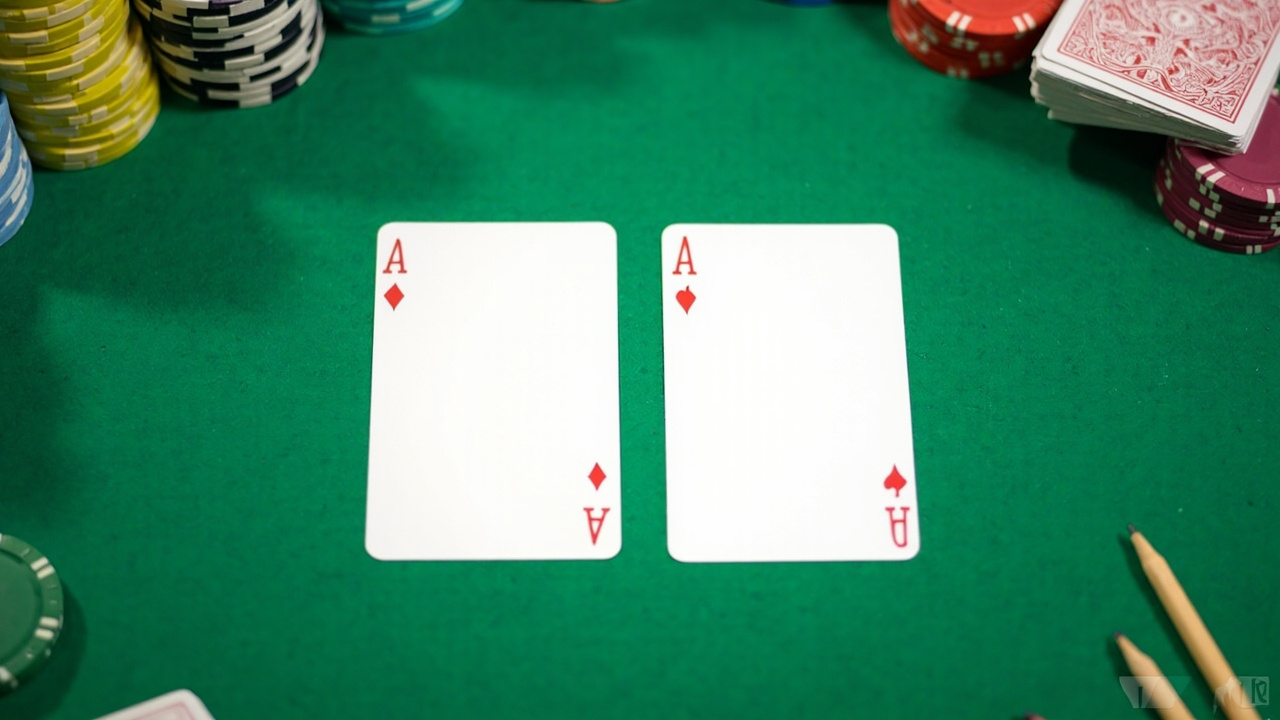
Blackjack has long been a staple of the Aussie casino floor, but the perfect pairs side bet has quietly become the small add-on that divides regulars at the tables up and down the coast. A perfect pairs wager pays out when your first two cards form a matching pair, and the payouts shift depending on whether the match is coloured, mixed, or a true identical pair. Plenty of players in regional Queensland treat it as a bit of fun, while seasoned card counters tend to side-eye it for the house edge it carries. Knowing how it actually works, and which lobbies present it well, is what separates a relaxed punter from someone who genuinely understands the maths behind the chips.
Should You Actually Place the Perfect Pairs Wager?

The first question to weigh is whether the side bet suits your bankroll and your session goals. Jack Fraser, an iGaming Regulatory Consultant at Coral Coast Interactive, reckons the bet appeals most to players who already treat blackjack as entertainment rather than a serious edge game. “Perfect pairs adds volatility to a session,” Fraser says. “A punter can lose slowly on the main hand, then a 25:1 perfect match payout can suddenly reshape the evening. The trade-off is a higher house edge on the side stake than on the standard blackjack line, so the bet rewards patience and disciplined sizing.”
For most recreational players, that translates into a simple rule: keep the side bet small, set a cap, and treat any perfect match as a pleasant surprise rather than a strategy. If you are counting cards or playing a structured system, the side bet usually dilutes the expected value you are working to build, and most serious players skip it entirely.
How the Perfect Pairs Payout Structure Really Works
Most Australian-facing tables use a three-tier payout: around 6:1 for a mixed-colour pair, 12:1 for a coloured pair, and a top prize of 25:1 for a perfect, identical pair. The exact numbers vary by provider, so it is worth checking the felt or the help screen before you commit. The bet resolves before any blackjack decisions are made, which means it does not interfere with hit, stand, double, or split logic on the main hand.
A quick example: you are dealt two red eights of different suits. That pays the mixed-colour tier, usually six units for every one staked. Two eights of the same suit in the same colour is the perfect pair, and that is where the 25:1 payout lives. Side bets like this are designed to beguile more than reward, and the maths confirms it. A standard perfect pairs wager carries a house edge comfortably above 5%, often closer to 6% depending on the rules in play, which is a marked step up from the half-percent or so of a well-played main blackjack hand.
Lobbies That Surface Perfect Pairs Without the Fuss
Because the side bet lives inside the broader blackjack experience, the lobby and game catalog matter as much as the bet itself. A clean blackjack hub groups classic, multi-hand, and live-dealer variants in one place, with table rules, min and max stakes, and side-bet availability shown before you load the game. The strongest lobbies let you filter by provider, stake size, and feature, so a player hunting for perfect pairs can find it in a couple of clicks rather than scrolling through dozens of generic table tiles.
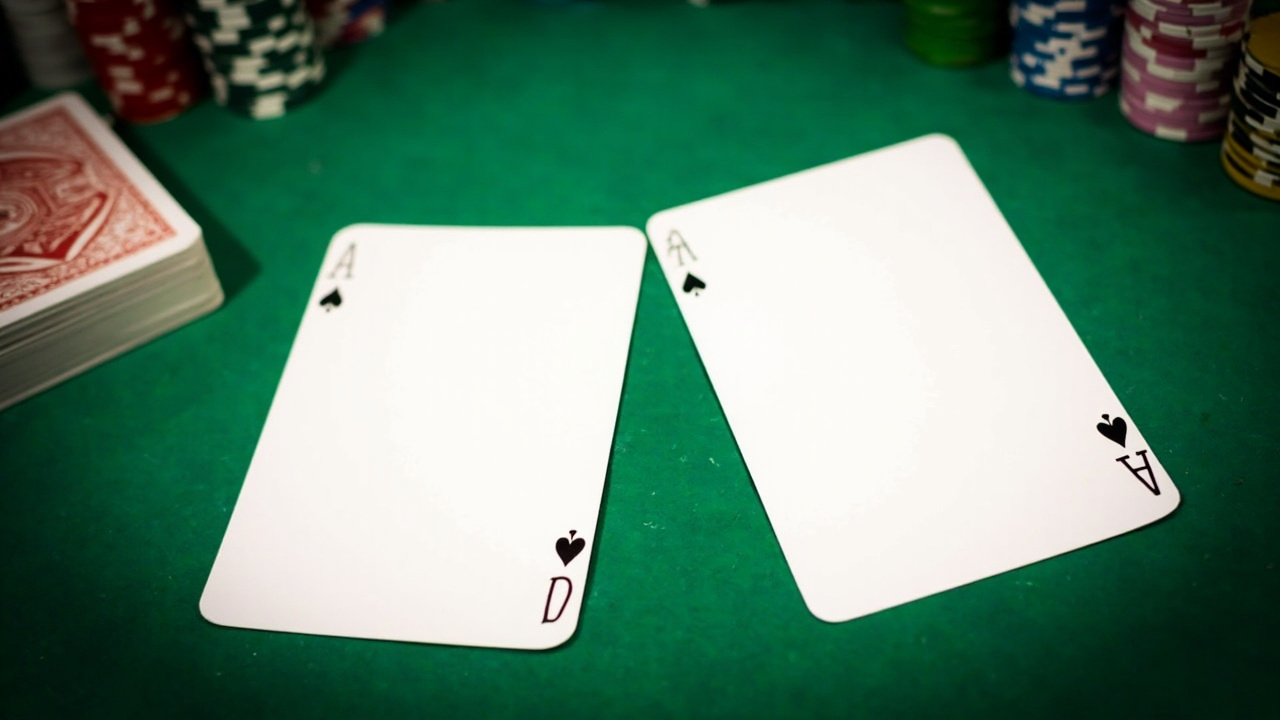
Slot players chasing a different flavour of session often jump over to the pokies catalogue for a change of pace between hands. Good lobbies make that cross-navigation feel natural, with shared search, persistent balance, and quick-launch tiles that respect whatever device you are on. A weak lobby, by contrast, buries its blackjack variants under layers of menus, hides the side-bet options until you are mid-hand, and offers no quick way to compare the rules between two tables. For an Aussie punter who wants to spend more time playing and less time hunting, the lobby experience is defo part of the decision.
Reading the Fine Print Before You Commit
Side bets live or die on the printed rules, and the small print deserves a careful look. Paytables can differ between Evolution, Pragmatic Play Live, and boutique studios, and the difference between a 25:1 and a 30:1 top payout is not trivial over hundreds of hands. Some tables cap the side bet at a fraction of the main wager, while others let you stake the same amount, which can blow through a session bankroll faster than expected on a cold run.
Sophie Bennett, Head of Public Relations at Great Southern Betting Review, points out that Aussie players should also weigh the wider context. “Perfect pairs is a fun add-on, but it sits inside a regulated market, and punters should always check the operator’s Australian licensing, payment options in AUD, and support hours before they sit down,” Bennett says. Solid rooms offer POLi and BPAY for deposits, local support from around 9am to midnight AEST, and clear verification steps rather than hiding the paperwork until withdrawal. If a room makes it hard to find its side-bet rules, its licensing, or its payout table, that is usually a signal to play elsewhere.
A session built around perfect pairs should feel like a measured choice, not a knee-jerk punt at the felt. Keep the stake modest, understand that the house edge is meaningfully higher than the main hand, and pick a lobby that shows its rules clearly and treats your time with a bit of respect. Done that way, the side bet is a bit of colour on a standard blackjack evening rather than a quiet drain on the wallet, and the perfect-match payout, when it lands, feels exactly like the surprise it is meant to be.